Pre-Maneuver Alert System

ROLE
UX Researcher
CLIENT
General Autonomy Inc.
TIMELINE
2025
OVERVIEW
Autonomous vehicles can brake, swerve, and stop without warning, leaving passengers no time to prepare.
I designed and tested a multi-modal alert system that communicates an upcoming maneuver through synchronized light, haptic vibration, and sound.
Giving passengers 0.3–0.5 seconds of advance warning helped them brace earlier and reduced measured head movement during controlled tests.
RESULTS
29.17%
Less Head Movement
0.35 → 0.23
Avg. Displacement

PROBLEM
How might an autonomous vehicle communicate intent to passengers before a maneuver begins?
Passengers may be sleeping, distracted, or looking at a phone. Existing systems prioritize the driver, while riders receive little context before a sudden change in motion.
RESEARCH
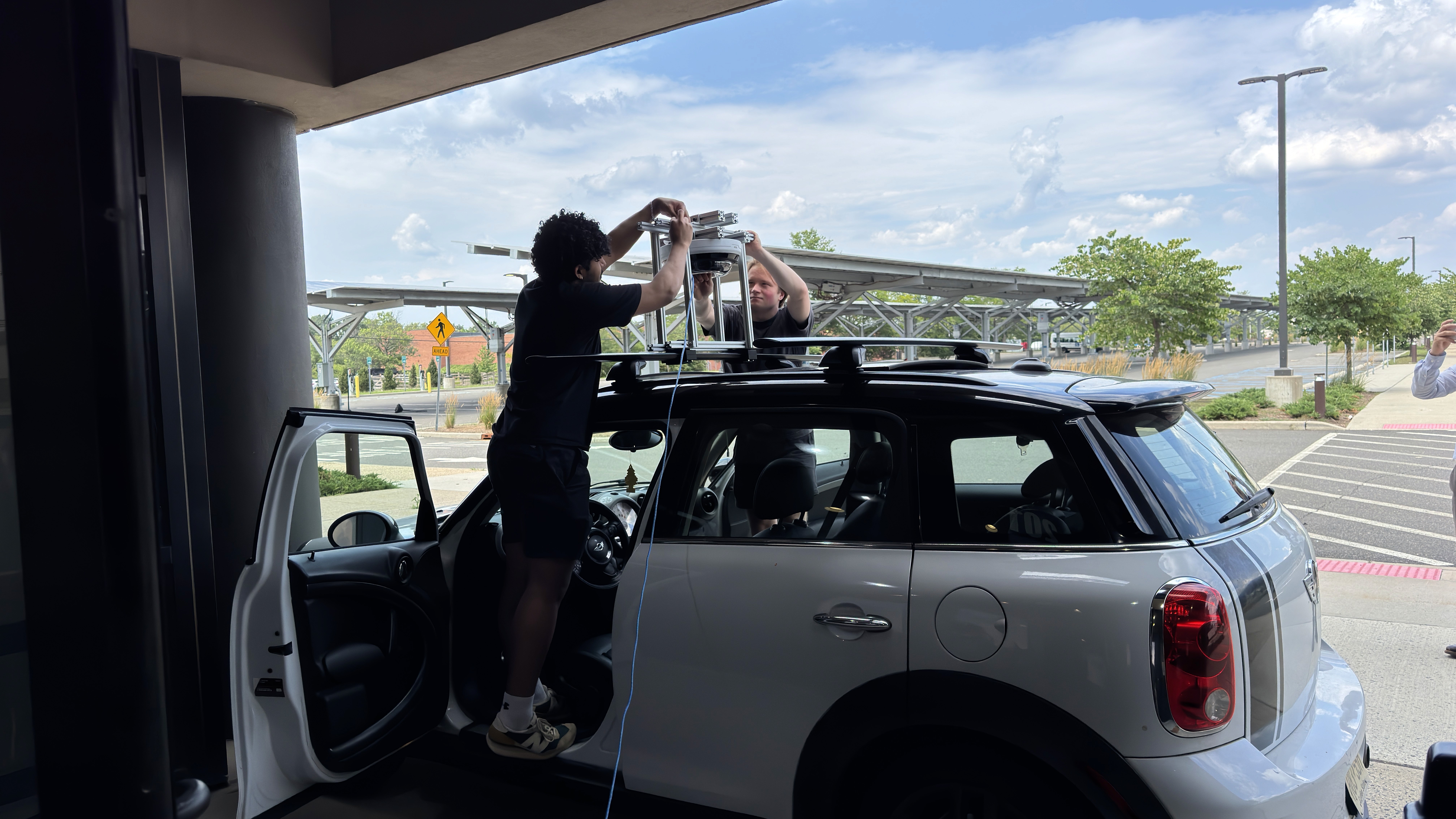
Controlled vehicle tests used motion trackers to compare passenger head displacement with and without the alert. The study also evaluated timing, direction, intensity, and urgency across modalities.
BRAND & STYLE
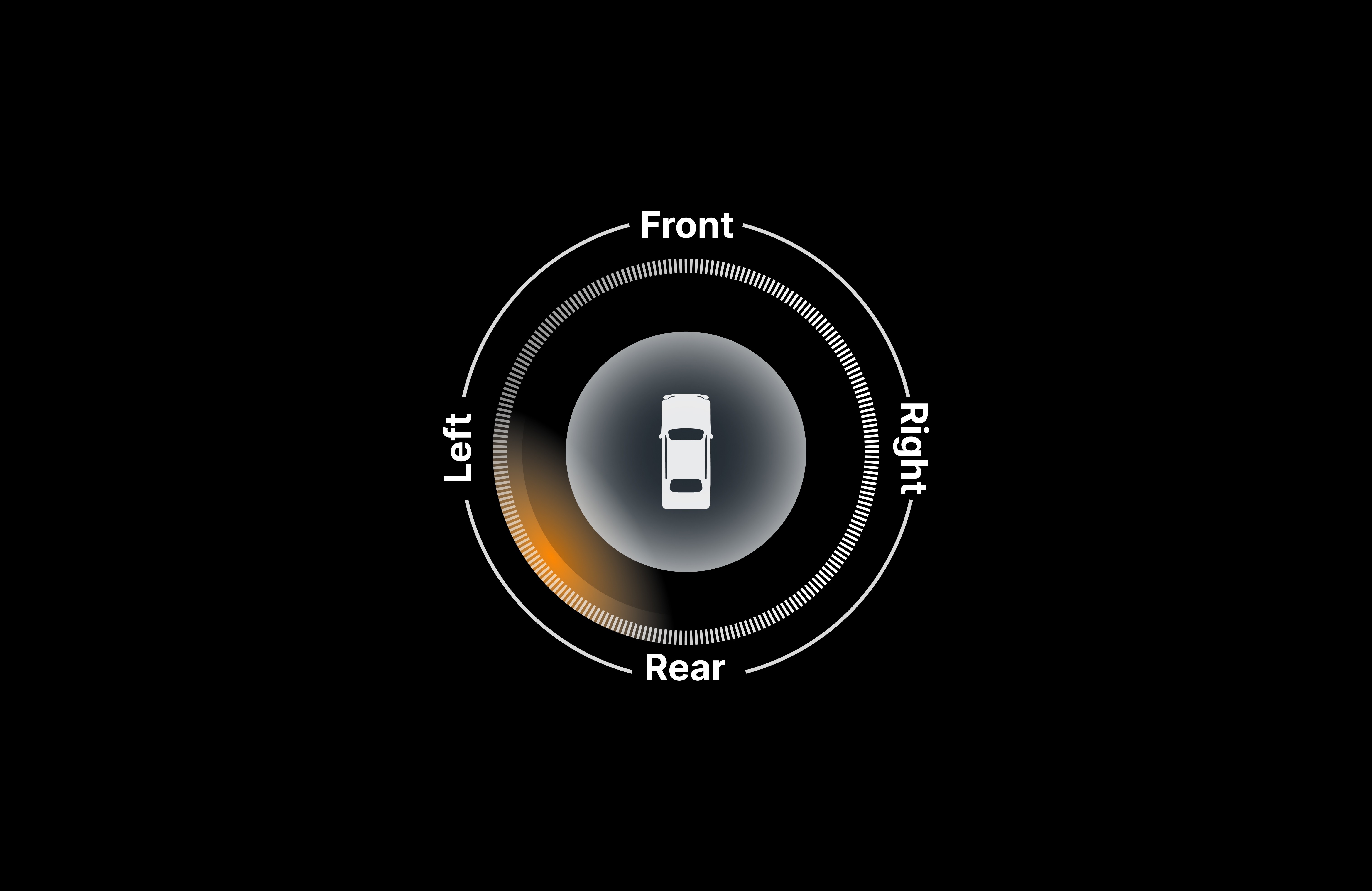
Light across the windshield creates a peripheral cue that remains visible without competing with the road. Color, haptics, and sound work as one calm, legible signal.
LOW FIDELITY
Early diagrams mapped alert timing and how direction, urgency, and intensity could be encoded across light, vibration, and sound.

HIGH FIDELITY
The final concept integrates the signal into the cabin architecture so the interface feels native to the vehicle rather than added on.
PROTOTYPE
A working test setup synchronized the three modalities with sudden-braking scenarios while wearable sensors captured participant response.
IMPLEMENTATION
Turning machine intent into a cue passengers can feel.
I built the test protocol, coordinated hardware and visual cues, documented edge cases, and translated motion data into comparable response paths.

LAUNCH
The validated research prototype demonstrated a 29.17% reduction in head movement and created a foundation for future passenger-facing autonomous-vehicle alerts.
WHAT I LEARNED
Multi-modal feedback works best when each channel reinforces the same message. Timing mattered as much as visual design: the system needed to warn early without creating alarm.
Designed by Chiyu Zheng · 2026