Role
UX Reseacher
Client
General Autonomy Inc.
Pre-Maneuver Alert System
OVERVIEW.
Autonomous vehicles can brake, swerve, and stop without warning. Passengers have no way to prepare.
THE PROBLEM.
Passengers in autonomous vehicles are often distracted, sleeping, or looking at their phones. When a sudden maneuver happens, they have no time to react, leading to head displacement, neck strain, and potential injury. Current AV systems alert the driver, not the passengers.
UX TESTING.
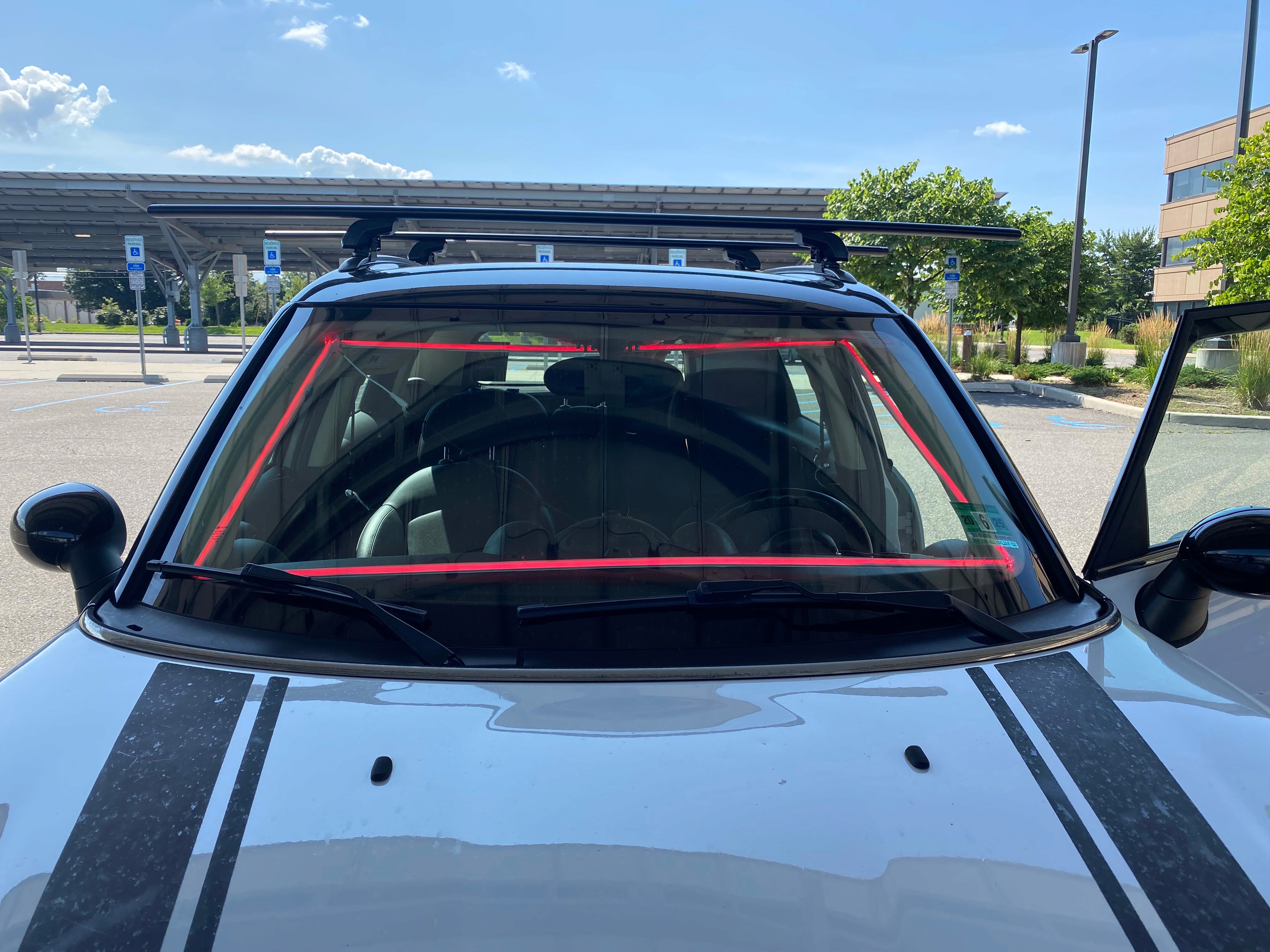
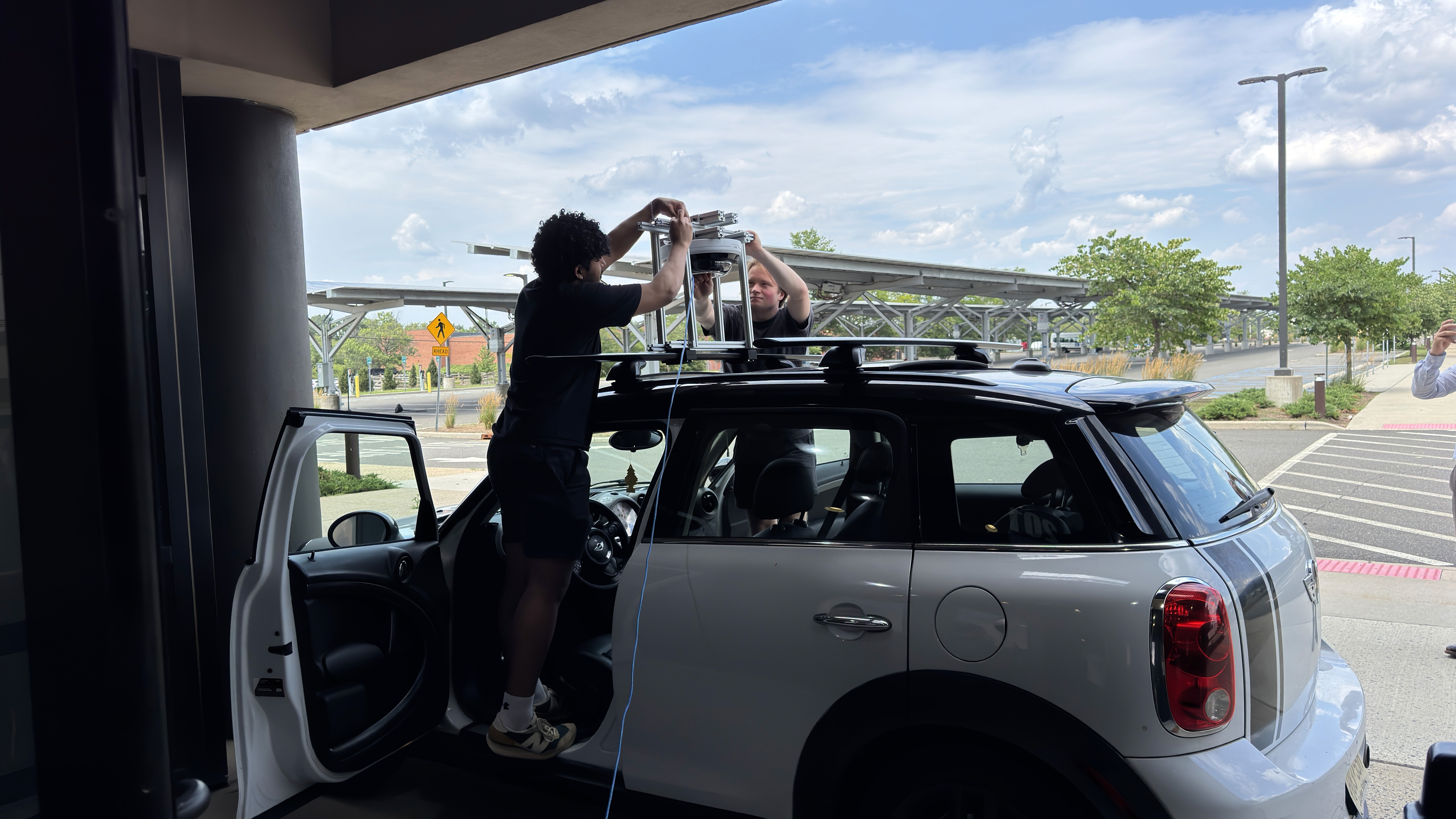
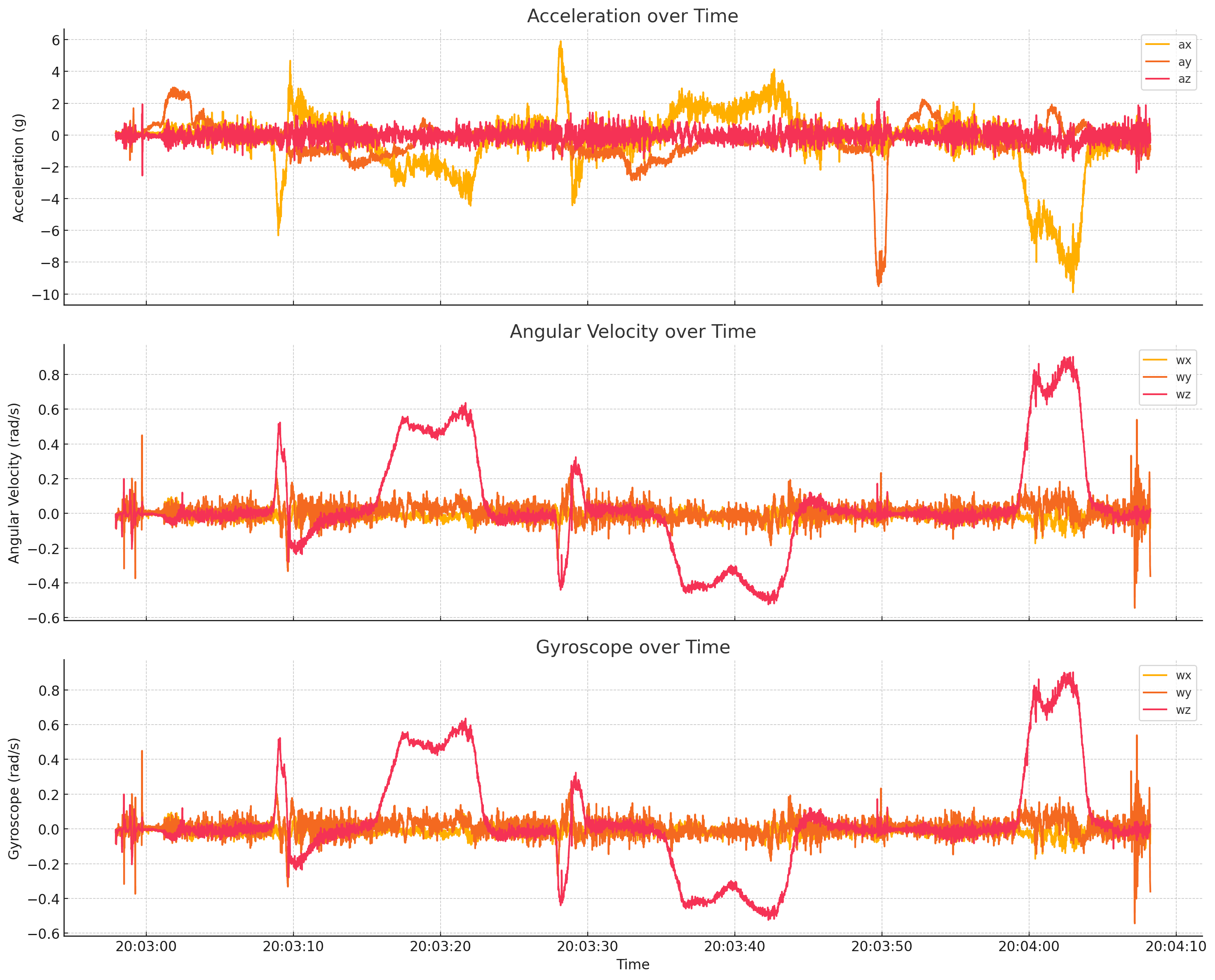
In controlled vehicle tests, participants wore motion trackers to measure head displacement during sudden braking. Without the alert, average displacement was 0.35. With the multi-modal alert system active, that dropped to 0.23, a 29.17% reduction in head movement, meaning passengers braced faster and more effectively when given advance warning.
RESULTS.
29.17%
0.35 → 0.23s
REDUCTION IN RESPONSE TIME
WITHOUT ALERT vs. WITH ALERT


RESULTS.
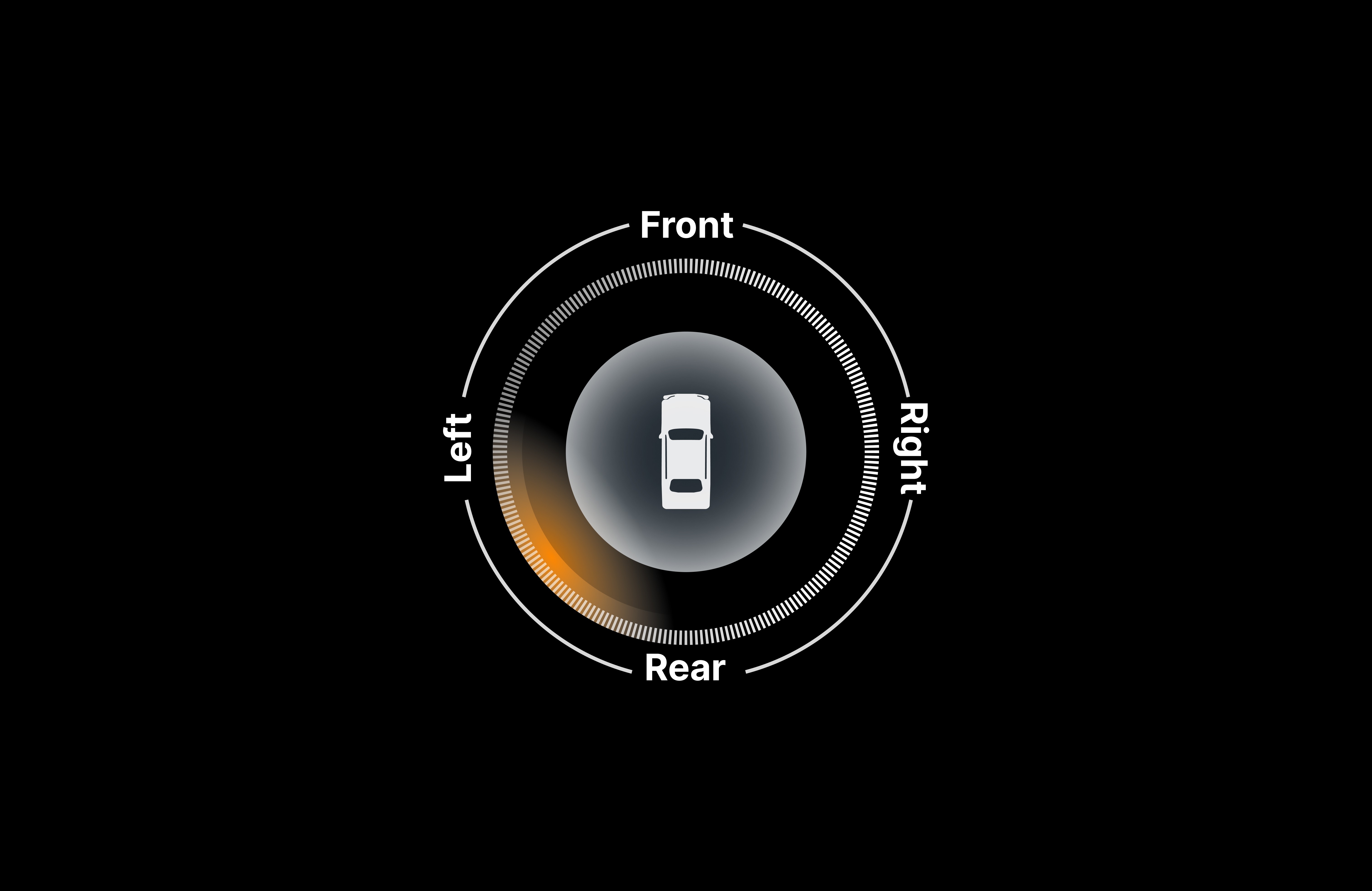
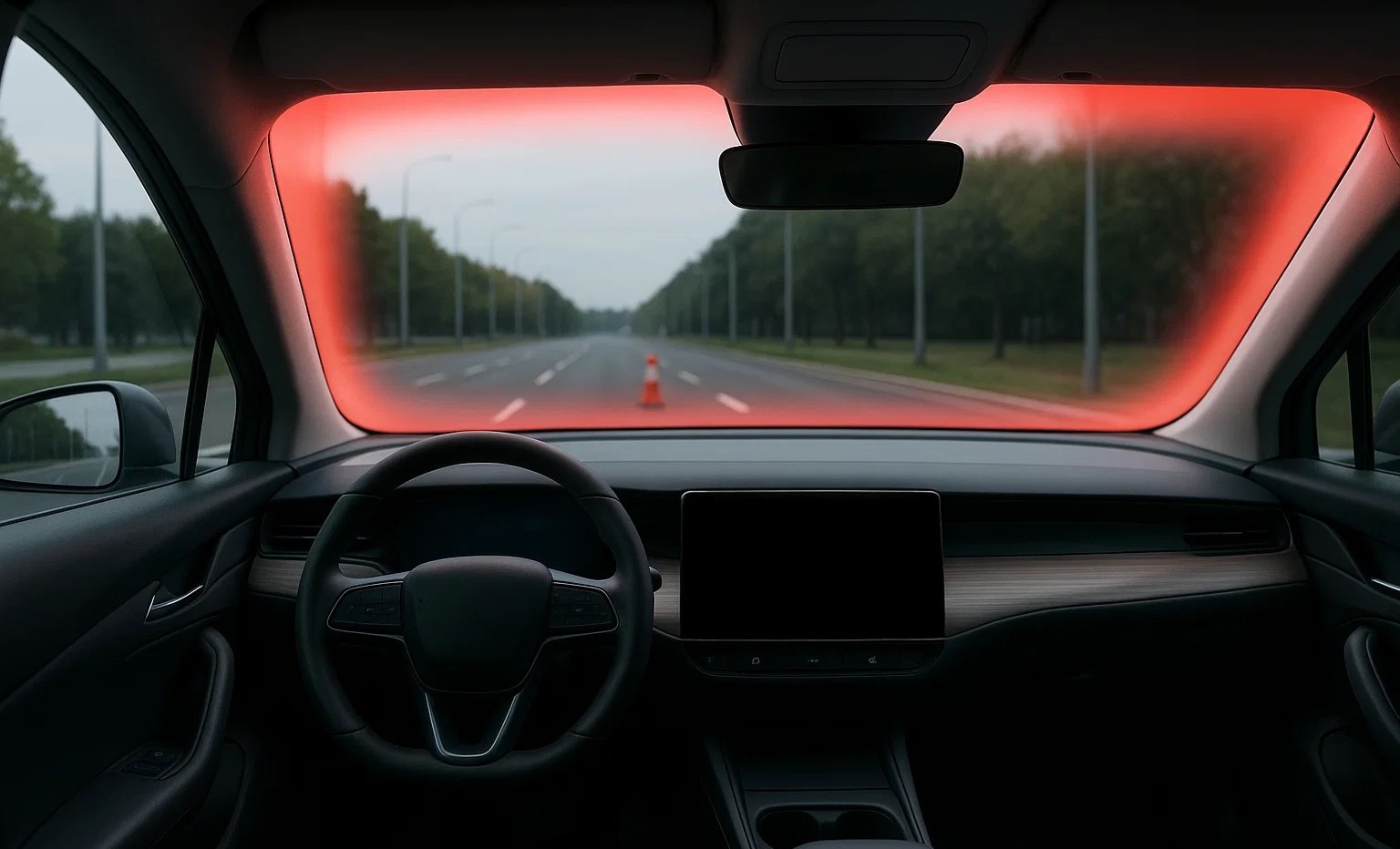
This UX research project explores a multi-modal alert system that notifies passengers before a maneuver occurs through synchronized light, haptic vibration, and sound, giving them 0.3–0.5 seconds to physically and mentally brace for impact.
DATA VISUALIZATION.
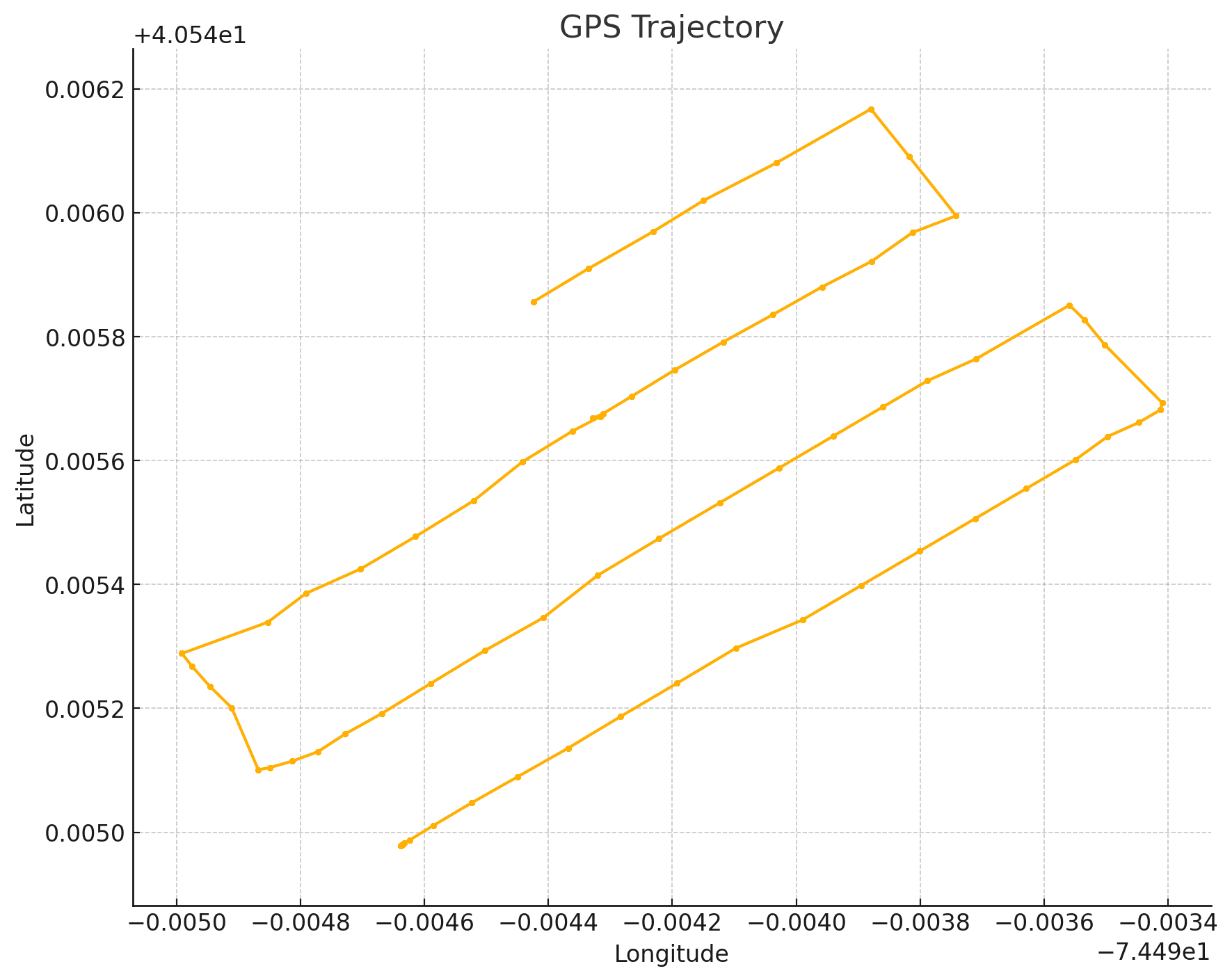
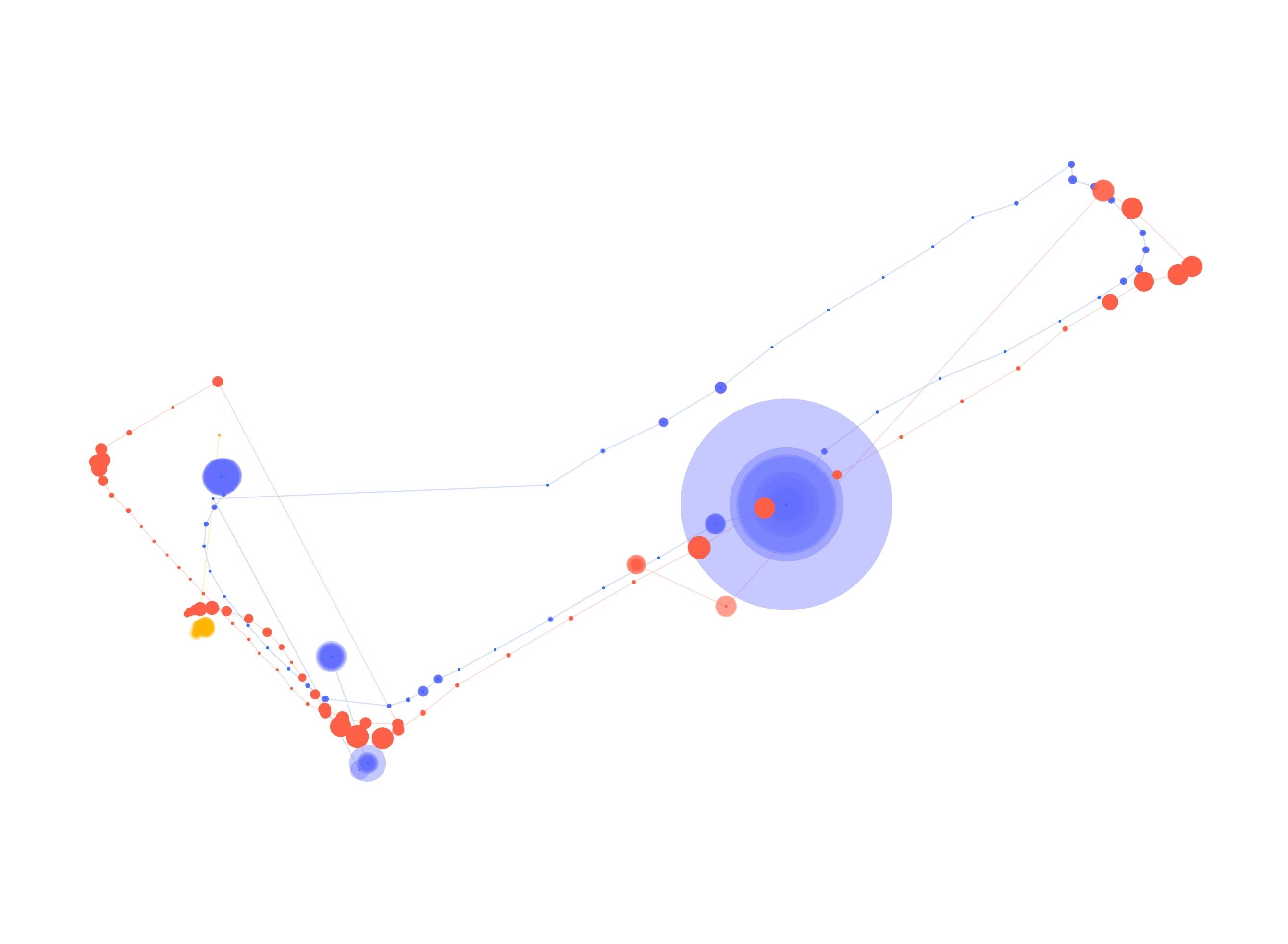
The larger the circle, the higher g-force at that moment.
The clustering difference between the two paths shows how passengers responded differently when given advance warning of the maneuver.


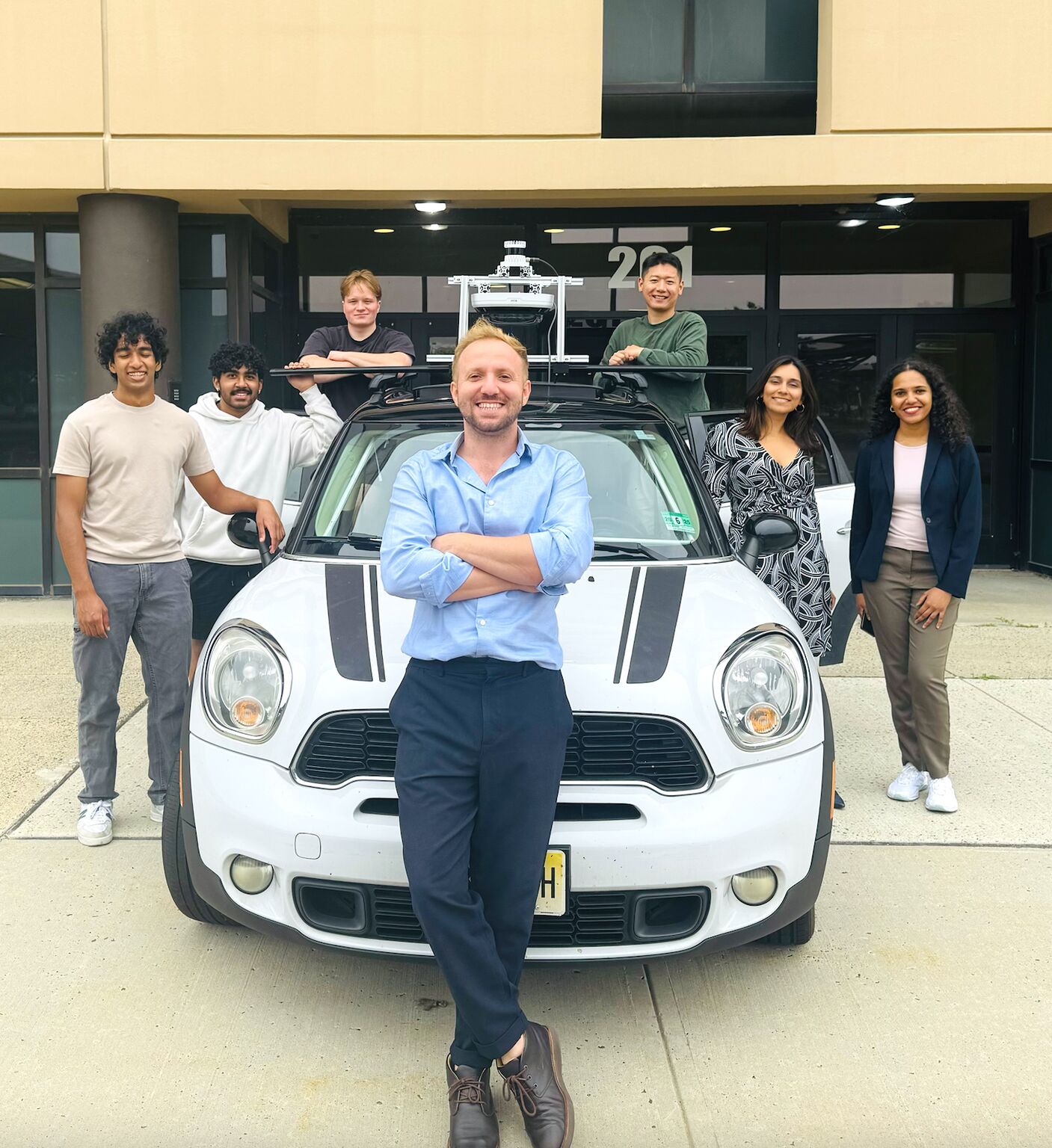
THE TEAM.